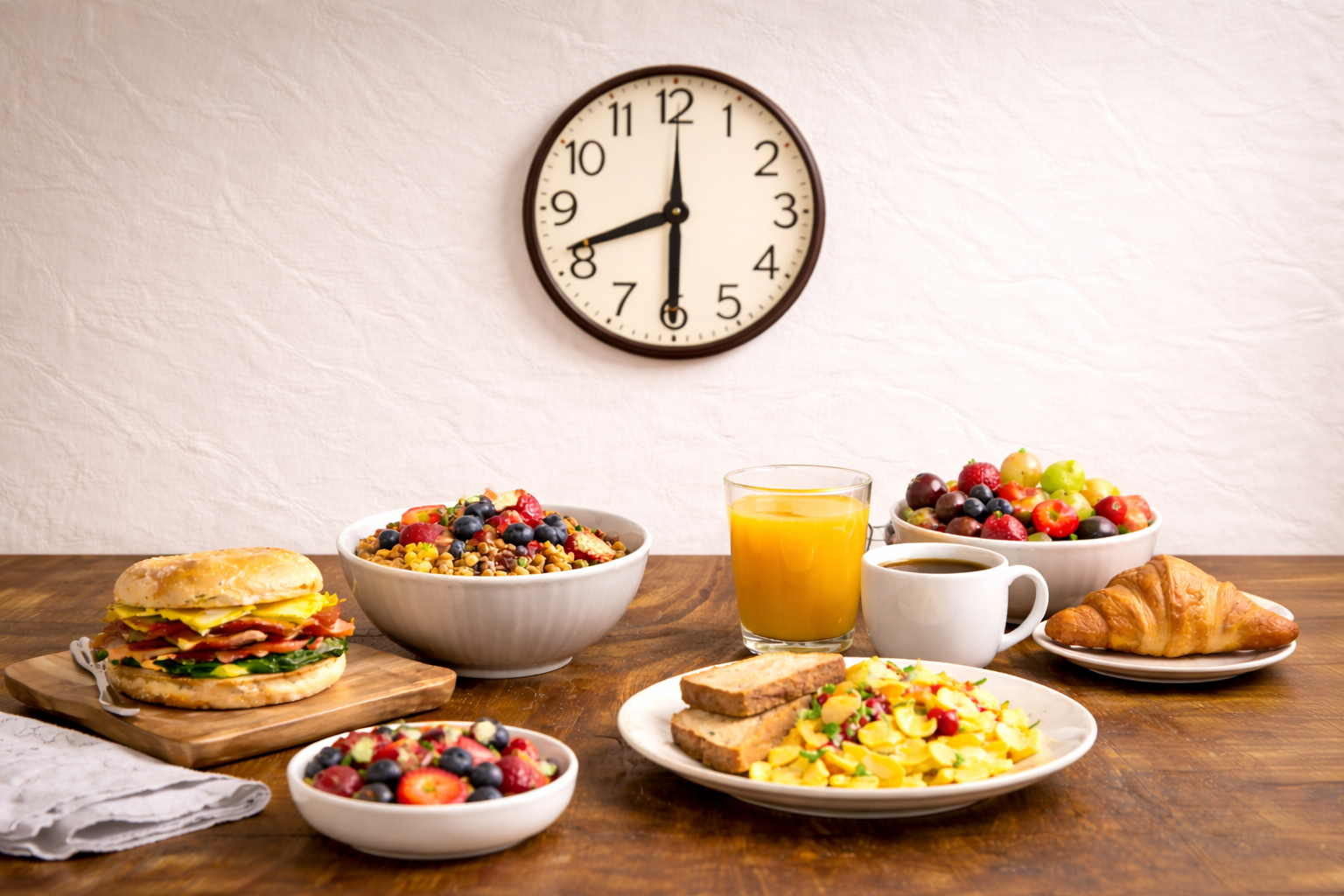

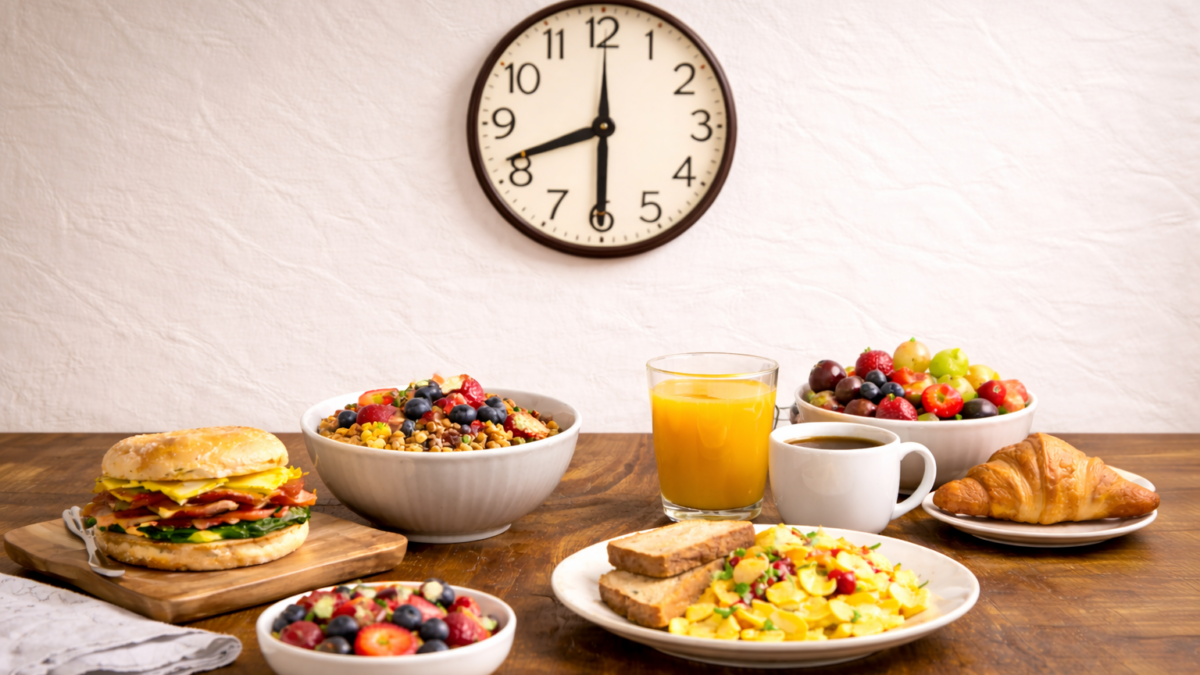
Food culture has always reflected everyday life. In 2026, that reflection feels especially clear. The way people eat isn’t being reshaped by one dominant trend or ideology, but by quieter changes in how daily life now looks — longer workdays, flexible schedules, rising costs, and a growing desire for balance.
Rather than dramatic reinvention, food culture is shifting gently. Meals are becoming simpler, routines more adaptable, and expectations more realistic. What people eat today is shaped less by aspiration and more by what fits.
Eating Has Become More Practical
One of the most noticeable changes in 2026 is how practical everyday eating has become. Meals are expected to work around busy, often unpredictable schedules.
A weekday dinner might be reheated leftovers enjoyed slowly, or a familiar dish prepared in advance and stretched across a few days. The emphasis isn’t on variety or presentation, but on reliability.
Food that works well now tends to:
- reheat easily
- feel filling without being heavy
- require minimal planning
- fit into different moments of the day
This shift doesn’t eliminate creativity — it simply removes pressure.
Dining Out Feels More Deliberate
Dining out hasn’t disappeared, but its role has changed. Many people are choosing fewer outings and treating them as intentional moments rather than routine habits.
A common scene repeats itself: a familiar restaurant, a favourite dish ordered without much thought, and a longer stay at the table. Meals are less rushed, conversations stretch, and the experience matters as much as the food itself.
Restaurants are increasingly places to pause, not just places to eat.
Comfort Has Replaced Constant NoveltyIn 2026, food culture feels less driven by surprise. Comfort foods continue to hold steady appeal — soups, stews, rice dishes, baked meals, and simple pastas remain staples.
New flavours still appear, but they tend to build gently on familiar foundations. Instead of chasing what’s new, people are returning to what feels dependable.
Comfort, rather than novelty, has become the anchor.
Home Cooking Without the Ideal ImageHome cooking has also been reframed. It’s no longer held up as a daily performance or lifestyle statement. Instead, it’s treated as something flexible and forgiving.
A home-cooked meal in 2026 might involve:
- a simplified version of a favourite recipe
- a mix of fresh ingredients and prepared components
- cooking in batches and eating gradually
Cooking is less about perfection and more about nourishment — something that supports daily life rather than competes with it.
Drinks as Part of the Daily Rhythm
Beverages are playing a quieter but more defined role in food culture. Warm drinks, non-alcoholic options, and herbal blends are increasingly woven into daily routines.
A cup of tea marks the end of the workday. A warm drink replaces an afternoon snack. A mug becomes a reason to pause.
These choices reflect a growing attention to rhythm — how the day begins, slows, and eventually settles.
Eating With the Season, Emotionally
Seasonality in 2026 is less about strict ingredient rules and more about how food feels. Colder months naturally invite heavier, warmer meals. Warmer seasons bring lighter plates.
These shifts aren’t planned — they’re intuitive. Food choices respond to weather, mood, and environment rather than trends or guidelines.
A Culture Shaped by Real Life
What defines food culture in 2026 isn’t a single philosophy, but adaptability. Rising costs, limited time, and shifting routines all influence how people eat.
Food is less about identity and more about support — something that fits into everyday life quietly and consistently.
In Closing
Food culture in 2026 isn’t moving toward extremes. It’s settling into something calmer, more personal, and more flexible. People are choosing meals that feel familiar, practical, and steady — foods that meet them where they are.
Rather than chasing constant change, food culture is evolving alongside daily life, one ordinary meal at a time.